
How Active Play Supports Child Safety in Early Learning
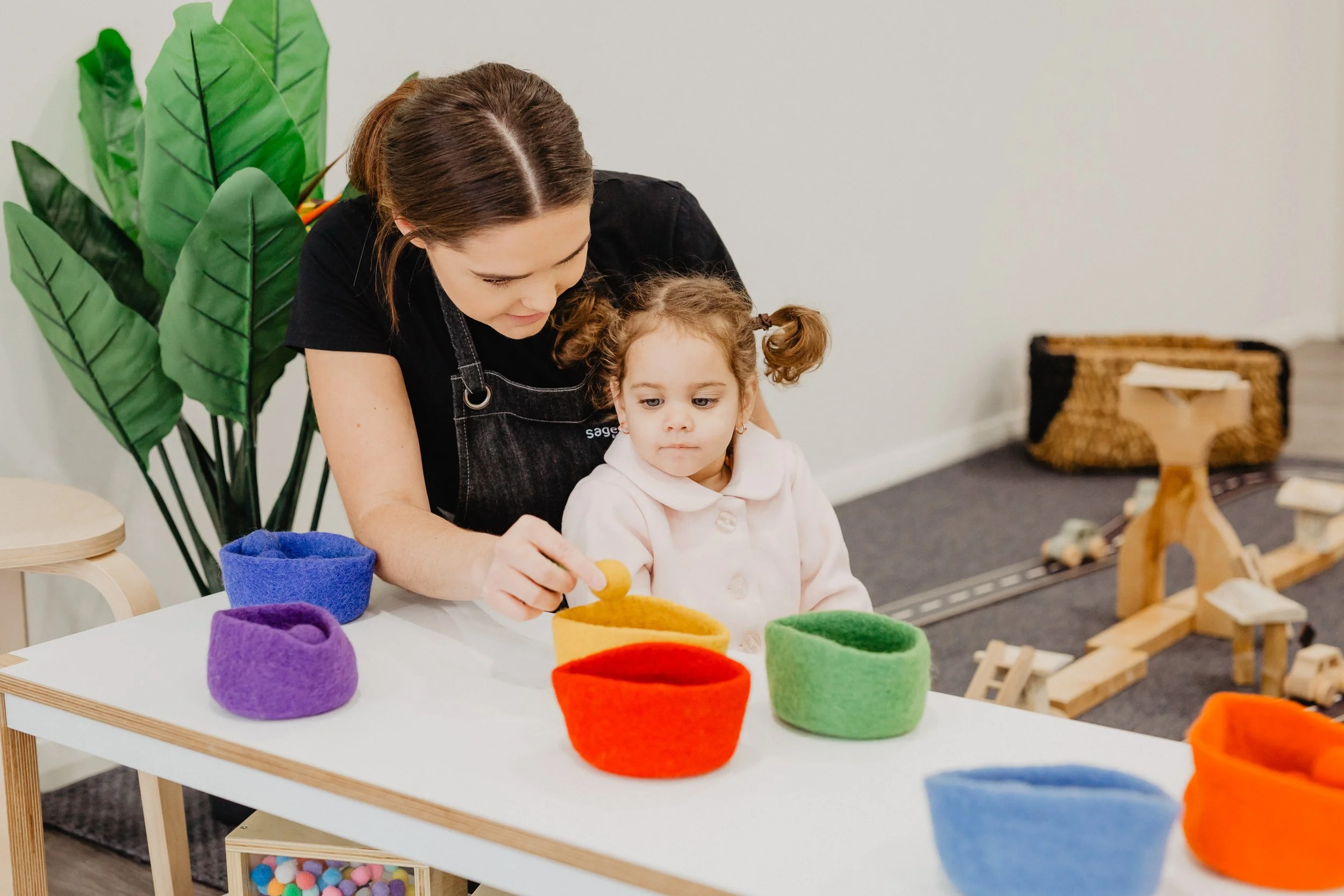
Choosing child care means trusting that your child will be safe, seen and genuinely cared for throughout the day. As a family, you want to know that the people looking after your little ones are not just watching from a distance but are truly present, engaged and connected.
At Sagewood Early Learning, active, educator-led play is one of the ways we bring that commitment to life every single day. And with Australia's national child safety reforms strengthening expectations around supervision and child-safe culture throughout early 2026, this approach has never been more important.
What the Child Safety Reforms Mean for Your Family
Australia's early learning sector is currently implementing reforms that strengthen provider accountability and refine the National Quality Standard, particularly Quality Area 2 (Children's Health and Safety) and Quality Area 7 (Governance and Leadership). These changes are designed to ensure that every child in early learning is visible, included and protected.
For families, this is reassuring. It means the standards your child's centre is held to are getting stronger, with a greater focus on supervision, visibility and embedding a genuine culture of safety into everyday practice.
At Sagewood, we have always believed that safety is not something separate from play. It is woven into the way our educators interact with children, plan experiences and move through our learning environments together.
Why Educator-Led Active Play Strengthens Safety
When educators are actively playing alongside children, rather than observing from a distance, something powerful happens. Children are more visible, more engaged and more connected. Educators can respond in real time, notice when something feels off and prevent hazards before they escalate.
This is not a new idea for our team. It is the way we have always approached our days.
Emma, Service Director at our Dayton centre, explains it well: "When educators promote active play, it supports our children to be more visible and included during play as many of the experiences are intentionally planned as group-based activities. This type of play encourages children to come together supporting social connection, a sense of belonging within the group and inclusion. Group play also supports our educators to maintain active supervision more effectively, as many children are more visible and engaged within the environment."
Active Supervision in Practice
Every child deserves to be actively supervised, not just watched from across the room. At Sagewood, we take this seriously by ensuring our educators are not simply positioned around the edges of a play space. They are in the middle of it, moving with children, joining in and staying attuned to everything happening around them.
Georgia, one of our Education Leaders, shares her perspective: "When active play is meaningfully embedded into the program, it results in higher levels of engagement and more purposeful supervision. When educators are actively participating in play experiences alongside children, they are not only facilitating learning but also modelling safe, positive movement and interaction. This shared engagement naturally strengthens supervision, as educators are more attuned, responsive, and present within the play environment. It also supports a higher standard of supervision because children are more regulated, more engaged, and more connected to educators during active play experiences."
Reducing Isolation and Building Connection
One of the key focuses of the national reforms is ensuring that children are not isolated during the day. Group play and consistent educator presence naturally reduce isolation and help build a sense of belonging for every child.
When children are engaged in active, whole-body movement alongside their educators, they are part of something. They are included, seen and connected to the people around them.
Supporting Wellbeing Through Movement
Quality Area 2 also requires services to promote and support children's physical activity. This is something our educators see the benefits of every day. Children who have regular opportunities for movement tend to be more regulated, more focused and more settled throughout the day.
Georgia from our Canning Vale centre has seen these benefits firsthand: "When children are provided with regular opportunities for whole-body movement and active play, we are seeing increased focus, sustained engagement, and stronger emotional regulation throughout the day. We are also noticing increased social connection, cooperation, and confidence as children engage more meaningfully within their environment. These movement opportunities are supporting children to stay regulated, which in turn enhances their ability to focus, learn, and participate."
Our Success centre team have seen the same patterns. Parv, Education Leader at Success, shares: "We have noticed that children who engage in regular active play appear more settled, regulated, and engaged, with fewer behaviour-related challenges and smoother transitions throughout the day. Especially if the activities require a lot of energy such as throwing a ball/balloon, or Move it Monday's 'Explore the floor'." Arona, Assistant Director at Success, agrees: "Being an RP in the afternoon I have noticed that when children are engaged in active play or group activities, we have less incidents and behaviour forms."
What Families See When They Visit
One of the things families notice most when they visit a Sagewood centre, or even when they are dropping off and picking up each day, is how engaged our educators are with the children.
Emma from Dayton shares: "Our families respond positively when they see our educators engaged in physical play alongside the children out in the garden. They appreciate seeing educators not only encouraging movement, coordination and teamwork but also being actively involved and having fun; this could be playing soccer, hopscotch, yoga or an obstacle course."
At our Baldivis centre, families have a unique vantage point. Eryn, Education Leader at Baldivis, explains: "Because our garden joins to the main car park and street, parents have a direct line of sight and hearing into the daily interactions between educators and children. Every day, we receive positive feedback from families noting how engaging the experiences look and highlighting the strong, secure relationships our educators share with the children. This visibility reassures families that our team is deeply present and actively involved in their child's learning and development, rather than just supervising, fostering a strong sense of security and trust."
Frequently Asked Questions
What is active supervision in child care?
Active supervision means educators are physically present and engaged with children during play, not simply watching from a distance. At Sagewood, our educators move with children, join in their activities and stay attuned to everything happening around them. This approach means they can respond in real time and keep children safe while also supporting their learning and development.
What is Quality Area 2 of the National Quality Standard?
Quality Area 2 focuses on children's health and safety in early learning settings. It covers supervision, health practices, physical activity and wellbeing. Under Element 2.2.1, services are required to protect children through adequate supervision and reasonable precautions. The 2026 reforms are strengthening these expectations, with a greater focus on visibility and embedding a genuine culture of safety into everyday practice.
How does physical play help children's behaviour and emotional regulation?
Regular active play helps children feel more settled, focused and connected throughout the day. Our educators consistently see that children who have opportunities for whole-body movement are more regulated, experience smoother transitions between activities and engage more confidently with their peers and educators.
Safety That Is Felt, Not Just Measured
Energetic, educator-led play is not a compliance exercise. It is how safety becomes part of the fabric of every day. When educators are actively involved, children are more visible, more regulated and more connected. Families can see it. Assessors can see it. And most importantly, children feel it.
With reforms emphasising capability, visibility and culture across the early learning sector, centres that play actively find that safety becomes easier to see, and children thrive.
At Sagewood, we have always believed that the best kind of safety is the kind that grows naturally from genuine connection, thoughtful planning and educators who are truly present. If you would like to see this in action, we warmly welcome you to book a tour at any of our seven centres across Perth and experience it for yourself.
This original article was published on The Sector
